Valorant highlights from Rawzu prove that clean Phoenix movement and crosshair placement win rounds
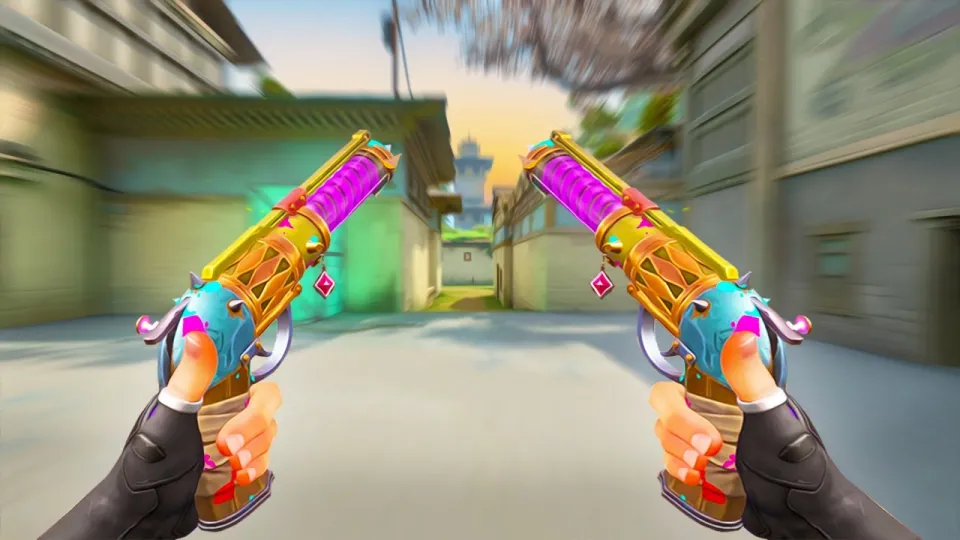
Video: 20 Minutes of Satisfying Valorant Clips
You can order the same kind of articles for your own video to boost it on YouTube and Google. Just message the Telegram bot @sat_sit_bot. It writes articles around your video, embeds the video and publishes them on popular niche websites (no ads). Free trial — 50 articles.
· based on the channel Rawzu
Valorant clips are at their best when they teach something while looking effortless, and Rawzu's Phoenix gameplay does exactly that. The 20-minute compilation strings together ranked rounds on Lotus and Icebox where movement, crosshair placement and ability timing turn ordinary duels into one-taps. If you want to see how a Phoenix main creates space and closes rounds, the full VOD is worth a watch, and you can catch the same playstyle live every day at Kick.
What makes Rawzu's Valorant Phoenix clips satisfying to watch
The satisfaction in these clips comes from how little wasted motion there is. Rawzu plays Phoenix as an entry duelist who uses Curveball to blind before peeking, Blaze to cut sightlines, and Hot Hands to heal through fights instead of retreating. The result is a highlight reel where enemies are hit from angles they have not cleared yet, and where the camera rarely stops moving.
The comments under the video back this up: viewers repeatedly mention the movement speed, the one-taps, and how the gameplay makes them want to queue ranked immediately. That is the core appeal of a good Valorant montage — it is not just a kill compilation, it is a demonstration of a decision-making pattern you can copy.
Rawzu settings and gear behind the Valorant gameplay
Rawzu's setup is deliberately low-sensitivity and high-refresh, which is a common combination for duelist players who rely on tracking and micro-adjustments. The full list from the video description:
- Sensitivity: 400 DPI with 0.625 in-game, which is a very low effective sensitivity.
- Resolution: 1440x1080 stretched, a 4:3-style aspect ratio that widens character models.
- Crosshair: 1-6-2-2, a small static crosshair suited to one-taps.
- Mouse: Lamzu Maya X.
- Mousepad: Zowie H-SR-SE 2 Blue.
- Monitor: Zowie XL2566K at 360Hz.
Low sensitivity plus stretched resolution is not a magic formula, but it does reward players who pre-aim corners and let their crosshair do the work instead of flicking wildly. If your aim feels shaky in Valorant, copying a setup like this for a week is a cheap experiment.
Why Phoenix is the right agent for this aggressive Valorant playstyle
Phoenix is an offensive duelist built around hunting enemies while crippling their ability to shoot back. His kit rewards players who take fights on their own terms:
- Blaze creates a wall that blocks vision and deals damage, letting Phoenix cross open areas that would otherwise be covered.
- Curveball blinds enemies even when they are hiding behind corners, which is why it pairs so well with an immediate peek.
- Hot Hands damages enemies and heals Phoenix, making it a tool for sustaining aggression rather than escaping.
- Run it Back lets Phoenix play a life for free, which encourages risky entry plays that would be throwing on other agents.
In the compilation, that kit shows up in small ways: a blind thrown before a swing, a wall used to split a site, a Molotov dropped to deny a plant. None of it is flashy on its own, but together it explains why Phoenix mains can keep pressure on a lobby for an entire half.
Common questions about Valorant movement and aim from the comments
Viewers watching the video tend to raise the same handful of doubts, and they are worth addressing directly because they apply to anyone trying to improve.
First, movement speed. Several comments joke about not being able to keep up with Rawzu's strafing and peeking. The honest answer is that fast movement only works when it is paired with stopping to shoot — Valorant punishes players who fire while moving, so the speed you see is mostly about clearing angles quickly and then coming to a dead stop before the first bullet.
Second, the "enemies never shoot back" complaint. One commenter jokes that their own lobbies have opponents with actual game sense. That is a fair point: highlight reels compress dozens of rounds into the best moments, and the clips where Rawzu gets traded or whiffed simply do not make the cut. Watching a 20-minute montage is entertainment, not a ranked simulation.
Third, the idea that watching clips improves your aim. It can help with crosshair placement and angle awareness, but only if you actively copy the pre-aim positions you see. Passive watching does very little.
Fourth, economy and loadout questions. Comments point out unusual buys, like a Vandal with full abilities and shields on round two. That is a deliberate aggression play — winning the early duel with a rifle can snowball a half, but it fails badly if you lose the round and cripple your next buy.
What to take from this Valorant compilation
Treat the video as a study in defaults rather than a highlight reel. Pause on the entry fights and look at where the crosshair sits before the peek, how the blind is timed, and when Phoenix chooses to heal with Hot Hands instead of backing off. Those three habits account for most of the clips.
If you want to test the style yourself, start with one change: lower your sensitivity slightly and commit to pre-aiming common angles on Lotus and Icebox. Add Curveball before your first swing on attack rounds and see how often the fight becomes a free kill. The rest of the Phoenix kit follows naturally once you are comfortable taking space.
Useful links
- Live streams: https://kick.com/rawzu
- Original music: https://open.spotify.com/artist/6DbATPR1PTNMx7U918bg1Q
- Discord community: https://discord.gg/axnFwyvxp3
Final thoughts on Rawzu's Phoenix gameplay
Rawzu's compilation works because it shows a coherent philosophy instead of random frags: take space early, use Phoenix's utility to make duels unfair, and let low sensitivity handle the precision. The channel Rawzu has built around this style is a solid reference point for duelist players who want to play fast without playing sloppy. If the clips made you want to queue, the daily streams at Kick are the place to see the same approach in real time.
Key takeaways
- Rawzu plays Phoenix with 400 DPI and 0.625 in-game sensitivity on 1440x1080 stretched resolution.
- Crosshair code 1-6-2-2 and a 360Hz Zowie XL2566K monitor are part of the setup behind the clips.
- The 20-minute compilation mixes Lotus and Icebox rounds, one-taps, Ace attempts and teammate commentary.
- Phoenix's Blaze, Curveball, Hot Hands and Run it Back kit is built for the aggressive duelist style shown in the video.
- Rawzu streams daily on Kick and releases original music on Spotify.
Source: 20 Minutes of Satisfying Valorant Clips · Markdown version
Questions & answers
What sensitivity and resolution does Rawzu use in Valorant?
Rawzu plays at 400 DPI with 0.625 in-game sensitivity, which is a very low effective sensitivity. The resolution is 1440x1080 stretched, and the crosshair is set to 1-6-2-2. This combination favors pre-aiming and micro-adjustments over large flicks.
Why does Phoenix suit an aggressive Valorant playstyle?
Phoenix is a duelist designed to hunt enemies while limiting their ability to return fire. Blaze blocks vision and deals damage, Curveball blinds around corners, and Hot Hands heals while damaging. Run it Back gives a free life, so risky entries are less punishing than on other agents.
Do highlight clips like these actually help you improve at Valorant?
They can help if you watch actively, focusing on crosshair placement, ability timing and angle clearing rather than just the kills. Passive viewing does little. A montage also only shows successful rounds, so it is not a realistic picture of how often those plays fail.
Where can you watch Rawzu play Valorant live?
Rawzu streams daily on Kick at https://kick.com/rawzu. The channel also links original music on Spotify and a Discord community in the video description.